Эсминец «Калинин» («Прямислав»)
Технические данные
- Водоизмещение полное 2200
- Длина 107 м
- Ширина 9,5 м
- Осадка максимальная 4,9 м
- Двигатели 2 паротурбинных агрегата в 2 машинных отделениях, 5 водотрубных котлов системы Normand (4050 м2, 17 кг/cм2) в 5 котельных отделениях суммарной мощностью 32700 л.с.
- Скорость хода наибольшая 27 узлов, экономическая 16 узлов
- Дальность плавания 1880 миль на скорости 21 узел, 350 миль на 35 узлов
- Экипаж 168 человек
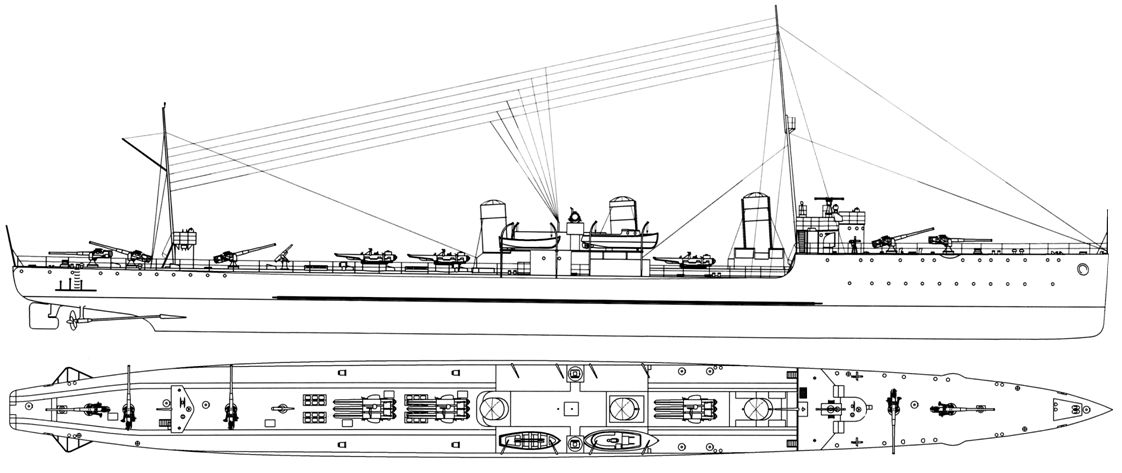
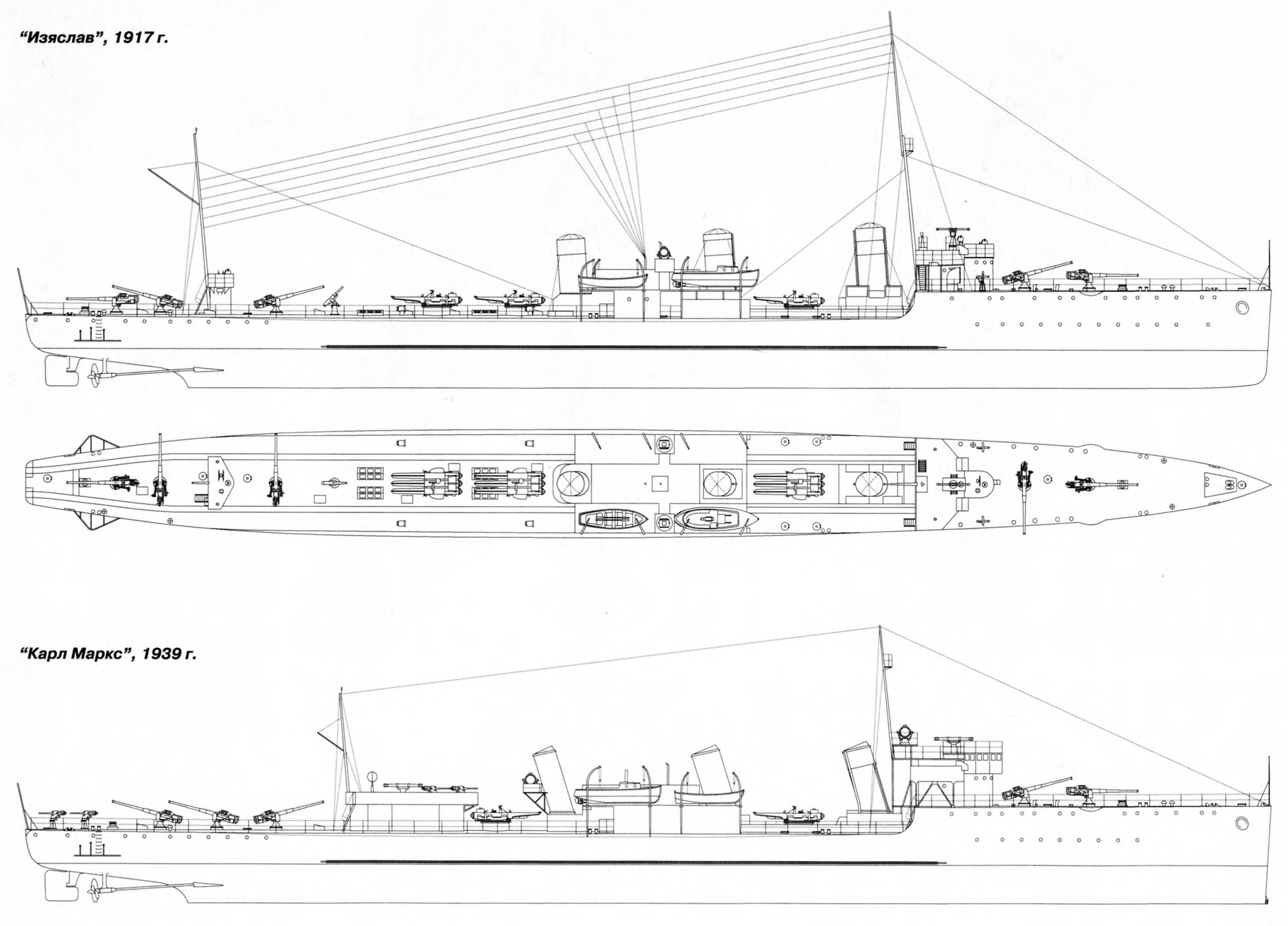
- Главный калибр: Пять 102/60мм орудий разработки Обуховского завода, по другим данным 4 орудия (на однотипном Карл Марксе орудие №3 было снято)
- 4 12,7мм пулемета
- Четыре 45мм орудия
- Два трёхтрубных надводных 450 мм торпедных аппарата
- Два бомбосбрасывателя, до 60 мин заграждения
- Погиб 28 августа 1941 года
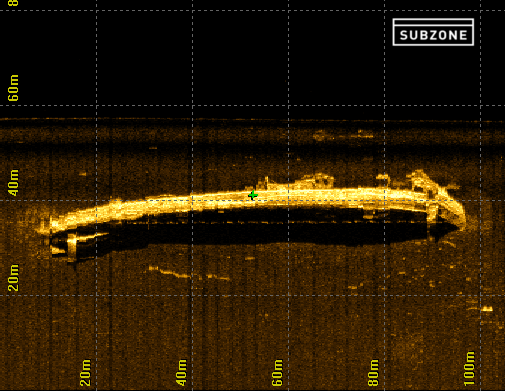
- Обнаружен в рамках совместного проекта российской экспедиции «Поклон кораблям Великой Победы» и финской поисковой команды SubZone 11 августа 2018 г.
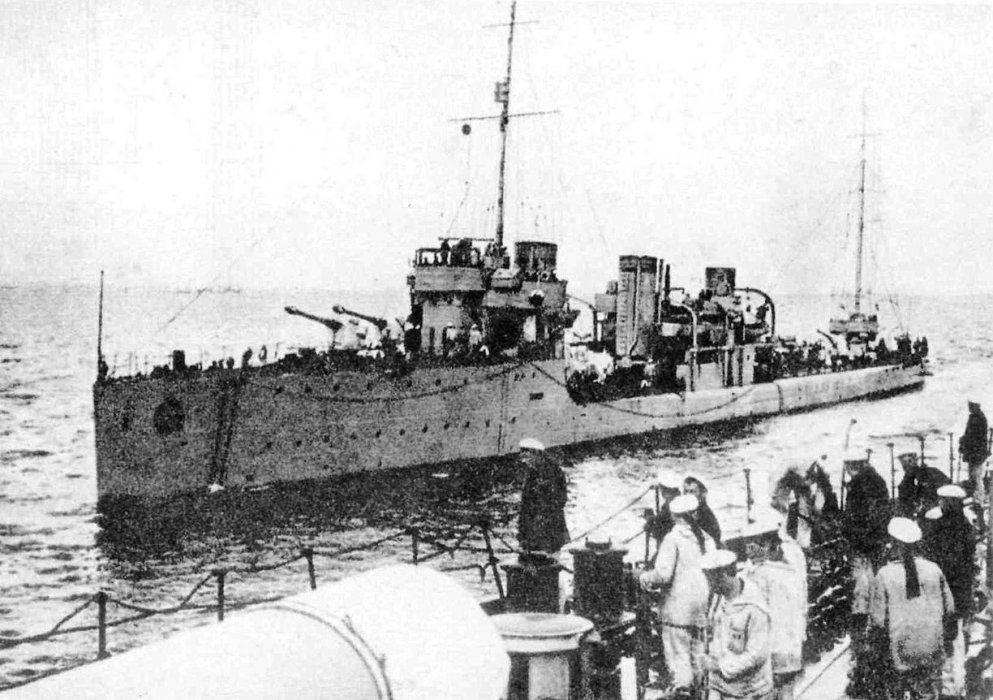
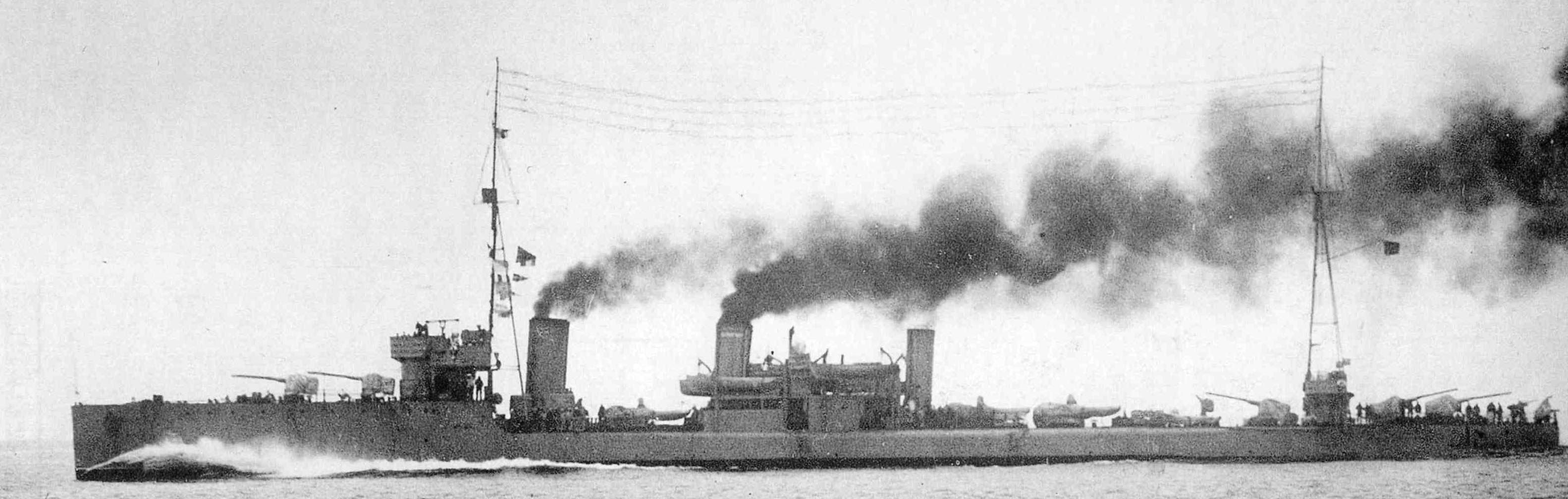
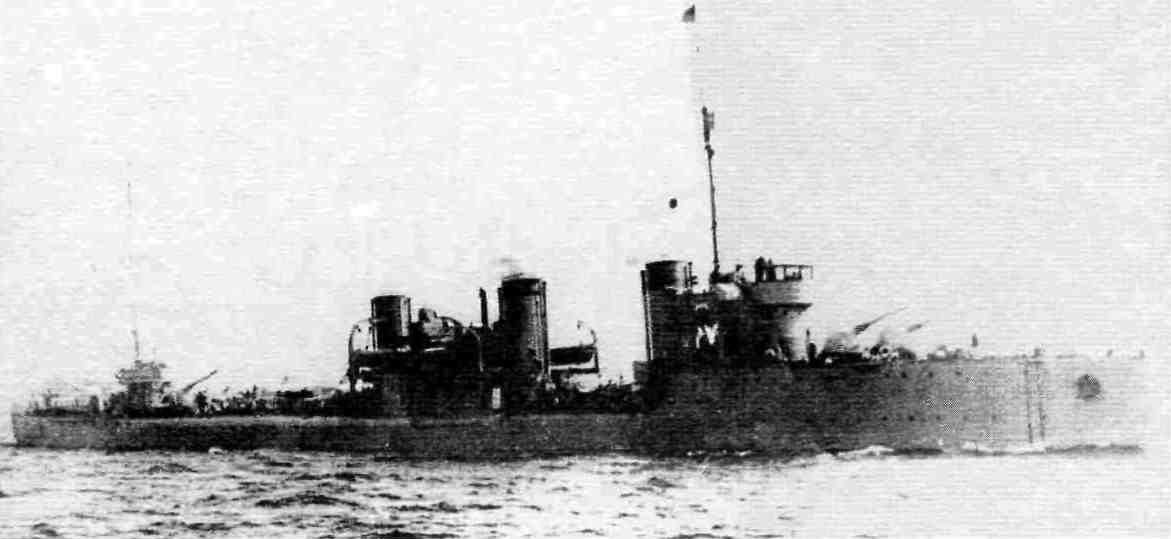
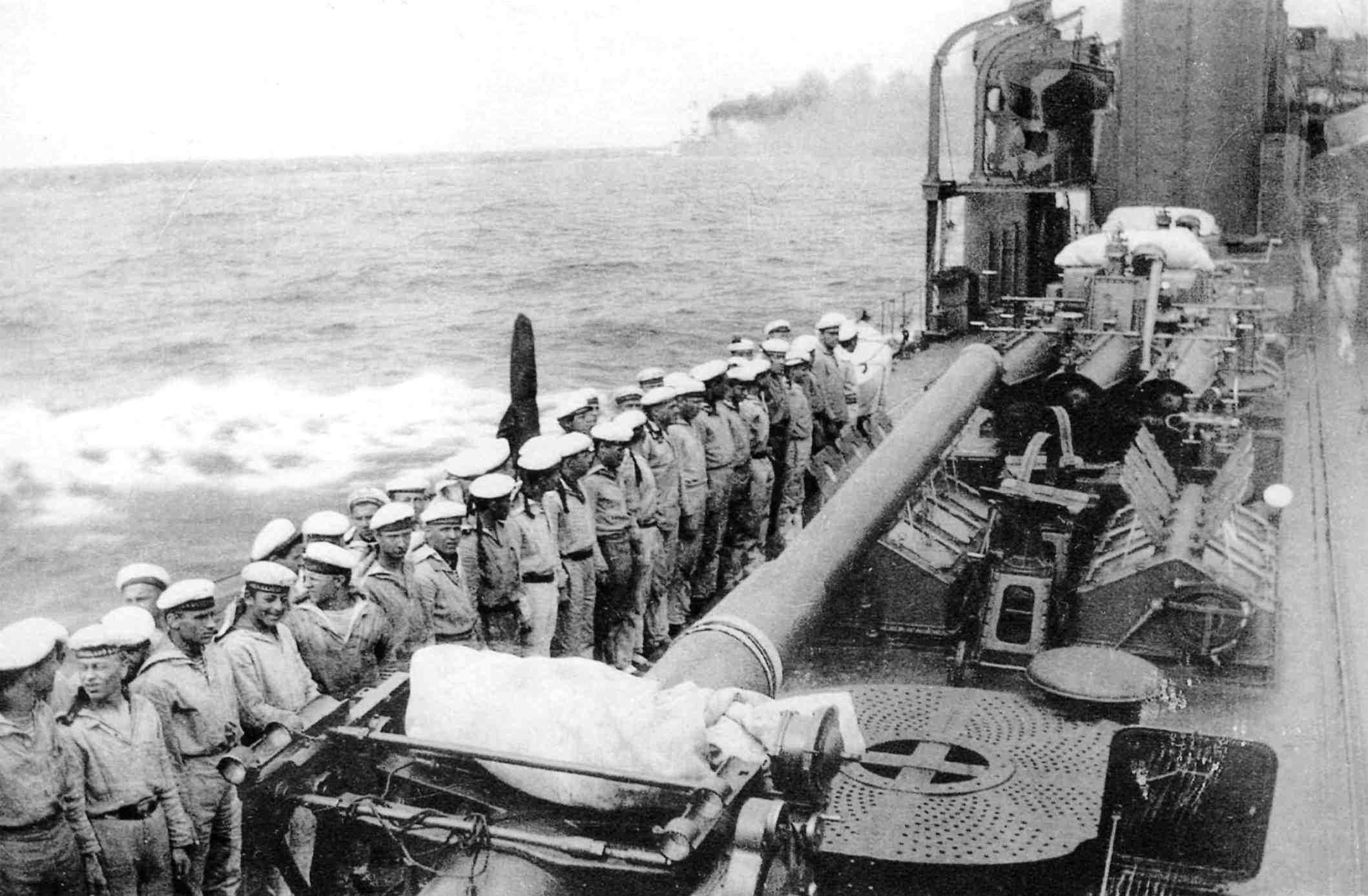
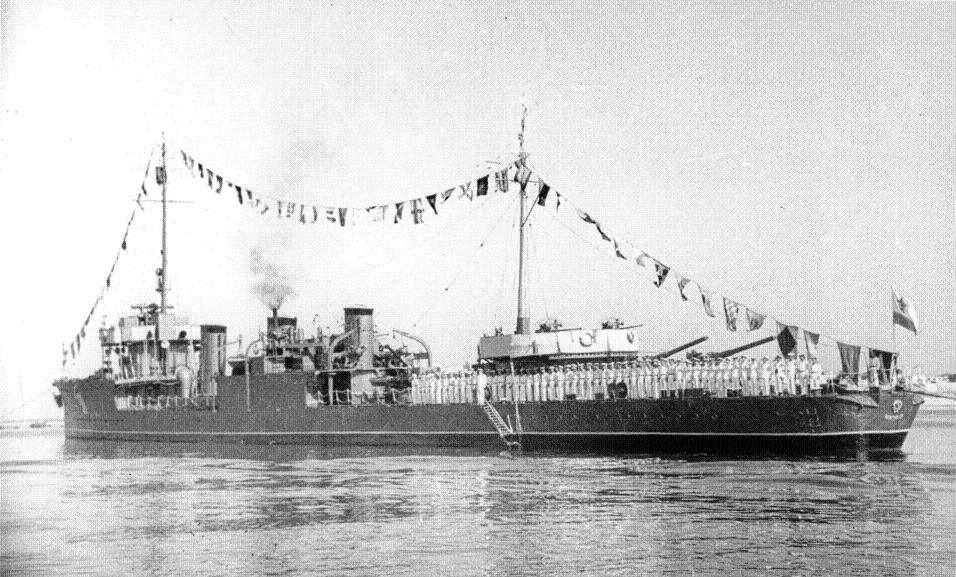
Фото и схема однотипного корабля — «Карл Маркс»
Историческая информация
«Калинин» (до 5 февраля 1925 года «Прямислав») — эскадренный миноносец типа «Изяслав», принадлежащий третьей серии эскадренных миноносцев типа «Новик».
Эскадренные миноносцы типа «Изяслав» были заказаны по программе «усиленного» судостроения на 1913—1917 годы (так называемая «большая» судостроительная программа) в числе 36 эсминцев 35 узловой скорости для Балтийского флота.
Корабли данного типа были наиболее мощными по вооружению и крупными среди эсминцев русского флота того времени, фактически являлись лидерами, хотя официально такого класса кораблей в дореволюционной России ещё не существовало.
В отличие от остальных турбинных эсминцев типа «Новик» эсминцы типа «Изяслав» имели вертикальные образования бортов корпуса, удлиненный полубак и противокреновые цистерны Фрама. Проект постройки был разработан французской фирмой «А. Норманд» на основе конкурсных предложений по эсминцу 35 узловой скорости фирмы «Ланге и сын» (где было стандартное водоизмещение 1 325 тонн, турбины системы «Кертис-Вулкан» — 30 000 л.с., котлы системы «Вулкан»). Французы, с целью выполнения условий тактико-технического задания, увеличили водоизмещение на 25 тонн и длину на 2,3 метра. Так же были установлены более новые и экономичные турбины системы «Браун-Бовери-Парсонс» и котлы повышенной паропроизводительности системы «Норманд». В целях повышения живучести все вспомогательные механизмы были продублированы.
Эсминец «Прямислав» был заложен 9 ноября 1913 года (по другим данным 19 сентября 1913 года) в Ревеле, спущен на воду 10 июля 1915 года. После спуска на воду октябре 1917 года, отбуксирован в Петроград. Достраивался на Балтийском заводе в Ленинграде. 5 февраля 1925 года переименован в «Калинин». 20 июля 1927 года вошел в состав Балтийского флота. Прошел капитальный ремонт с 14 июня 1937 года по июнь 1941 года.
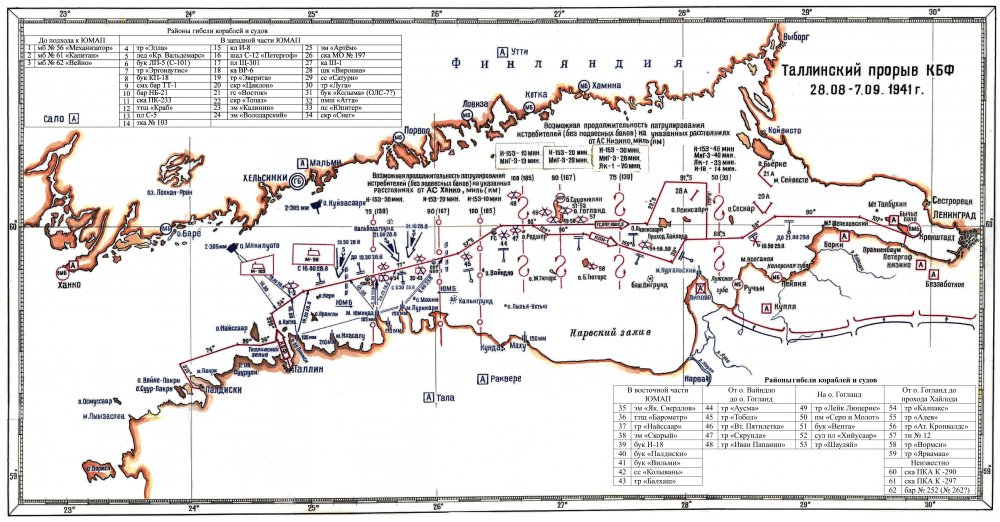
С началом Великой Отечественной Войны и окончанием ремонта эсминец участвовал в минно-заградительных операциях КБФ в Финском заливе, в частности 4 июля минный заградитель «Урал» и эсминец «Калинин» поставили в проходе между островами Вайндло и Родшер минное заграждение 14-А. В конце августа 1941 года «Калинин» принял участие в крупнейшей трагедии флота за время войны, «Таллиннском переходе» — прорыве Балтийского флота из Таллинна в Кронштадт.
По замыслу командования три эсминца типа «Новик»: «Калинин», «Артем» и «Володарский» совместно со сторожевыми кораблями «Снег», «Буря» и «Циклон» и катерами входили в состав арьергарда, задачи которого при уходе флота из Талина заключалась в постановке минных заграждений на Таллинском рейде, на подходах к нему и в бухте Копли-Лахт, а затем в прикрытии перехода III и IV конвоев с тыла. Командиром арьергарда назначался контр-адмирал Юрий Федорович Ралль с флагом на «Калинине».
При выполнении основной задачи, заключавшейся в прикрытии перехода двух последних конвоев, согласно боевому приказу, отданному командиром арьергарда 27 августа, в светлое время суток впереди кильватерной колонны эсминцев должны были идти в строю уступа сторожевые корабли с поставленными параван-тралами, а в темное время суток все шесть кораблей должны были выстроиться в общую кильватерную колонну. Эсминцам и днем и в темноте предписывалось идти с поставленными параванами. При таких условиях опасности подрыва на мине подвергался бы один только головной сторожевой корабль. Однако установленный походный ордер был нарушен, но произошло ли это случайно или преднамеренно — неизвестно, так как командир арьергарда не представил отчета о своем походе.
Из-за задержек три эсминца арьергарда только в 21.00 вышли на фарватер 10 ТБ-ж.
Согласно составленному по памяти донесению командира эсминца «Артем» старшего лейтенанта А.Б. Бея три сторожевых корабля арьергарда находились в это время не в голове, а позади эсминцев. Возможно, что в связи с этим эсминцы в первое время шли малым ходом, чтобы дать возможность сторожевым кораблям занять свое место в походном ордере. Но из-за сгущавшейся темноты или по каким-либо иным причинам пути миноносцев и сторожевых кораблей разошлись и обе группы кораблей, идя параллельными курсами, больше уже не встретились.
Около 22.20 с головного эсминца «Калинин» (командир капитан 2 ранга П. Б. Стасов) обнаружили впереди силуэты концевых транспортов II или III конвоя. Эсминец уклонился на 3 — 4 кабельтовых к северу и увеличил ход до 12 — 14 узлов. Вскоре взрывом мины был оборван правый параван эсминца «Артем». На корабле на несколько минут уменьшили ход для устранения мелких повреждений, а затем полным ходом начали догонять ушедшие вперед два эсминца и одновременно готовили к постановке запасный правый параван.
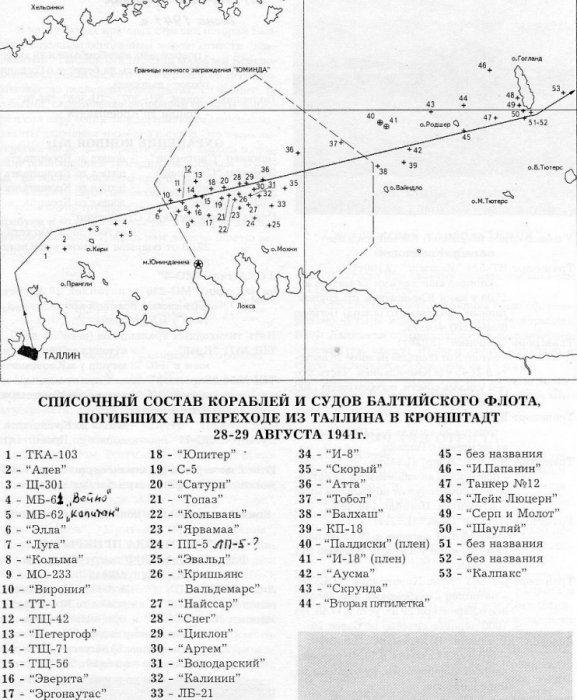
Одновременно с этим под действием слабого ветра и дрейфового течения корабли и суда II конвоя медленно сносило к юго-западу, и к тому моменту, как поставили тралы, тральщики оказались примерно на оси фарватера, немного западнее линии И-8 минного заграждения «Юминда». Около 22:45 в 1 — 2 кабельтовых севернее первой пары тральщиков конвоя появились проходящие на восток три эсминца арьергарда. С тральщика № 44 передали на эсминец «Калинин»: «Вы идете на минное поле, следуйте за нами, мы идем с тралом». Вслед за этим «Калинин» подорвался на мине с северной части линии «И-8». Следовавший концевым «Артем» (с командиром 3-го дивизиона эсминцев капитаном 2 ранга Л. Н. Сидоровым) сразу же остановился, а эсминец «Володарский» (командир капитан 2 ранга Н. В. Фалин) прошел несколько вперед и также остановился. Контуженный взрывом мины командир арьергарда Ю.Ф. Ралль и раненные члены экипажа «Калинина» были отправлены на катере МО № 211 к острову Гогланд. Командование арьергардом перешло к командиру 3-го дивизиона эсминцев.
В первое время с «Калинина» не поступало тревожных известий, но минут через 20 — 30 с него передали: «Нуждаюсь в немедленной помощи». Ранее этого командир эсминца «Володарский» доложил по радиосвязи свое мнение о том, что целесообразно было стать на якорь, чтобы не дрейфовать на минном поле. Командир 3-го дивизиона миноносцев счел это предложение правильным и «Артем» стал на якорь. После получения с «Калинина» сигнала о помощи «Артем» немедленно снялся с якоря. В это время эсминец «Володарский» подорвался на мине и очень быстро затонул. Командир 3-го дивизиона Л.Н. Сидоров только успел крикнуть: «Идите к «Володарскому» спасать людей», — как «Артем», на котором еще не успели поставить параван, в свою очередь подорвался на мине и через 40 — 50 секунд затонул. Катера МО-5 и МО-210 смогли спасти с обоих эсминцев всего 71 человека.
Одновременно с подрывом «Калинина» тральщики №№ 43 и 44 из состава II конвоя, не убирая трала, пошли к поврежденному эсминцу, после чего в трале одна за другой взорвались три мины, захваченные в северной части минной линии И-8. Тральщики вынужденно остановились и занялись уборкой трала, к эсминцу подошел тральщик № 47 и в течение нескольких минут, с 22:52 до 22:59, принял с «Калинина» 160 человек, уже имея на борту 40 спасенных с гидрографического судна «Восток». Эсминец «Калинин», последний из балтийских «Новиков», продержался на плаву в течение часа, после чего затонул в районе острова Мохни в Финском заливе, закрывая славную историю кораблей этой серии.
Из воспоминаний В.Ф. Трибуца «Балтийцы вступают в бой»
«Тяжелые минуты пережил отряд контр-адмирала Ю. Ф. Ралля. В 22 часа 10 минут на меридиане маяка Калбодагрунд шедший головным эскадренный миноносец «Калинин» (командир капитан 2 ранга П. Б. Стасов) параваном затралил мину, которая взорвалась у борта. Корабль получил тяжелые повреждения, но героическими усилиями личного состава удерживался на плаву. Пятьдесят минут шла борьба за жизнь корабля. Однако вскоре стало ясно, что спасти его не удастся. Тут же с эсминца были прежде всего сняты на «МО-211» раненые и отправлены на эсминец «Володарский». «МО-211» находился уже вблизи «Володарского» (командир капитан 2 ранга Н. В. Фалин), когда на эсминце раздался страшной силы взрыв. Почти никто из экипажа не был спасен. «МО-211» вернулся к «Калинину», на борт катера перешел контуженый командир отряда контр-адмирал Ю. Ф. Ралль. Оставшаяся часть экипажа снималась одним из подошедших тральщиков типа «Ижорец». Через 12 — 15 минут взорвался и эсминец «Артем» (командир старший лейтенант А. Б. Сей) с командиром дивизиона Л. Н. Сидоровым на борту.»
Обнаружение и обследование»Калинина»
В ходе совместной экспедиции российской экспедиции «Поклон кораблям Великой Победы» и финской поисковой команды SubZone по поиску подводных лодок Щ-301, «Калев» и М-98 в августе (июле) 2018 года в районе минного заграждения «Юминда» гидролокатором бокового обзора Имми Вален (SubZone) обнаружила объект, по очертаниям повторяющий контуры подводной лодки «Калев». 11 августа (27 июля) 2018 года в ходе совместного погружения дайверов российской и финской команд объект идентифицирован, как эскадренный миноносец класса «Новик». По особенностям конструкции и нанесенным повреждениям это мог быть только «Калинин».
Эсминец лежит на глубине 86 метров, на левом борту, практически на три четверти корпус корабля скрыт в иле. Выше уровня грунта осмотру доступны 2-3 метра палубы и борт, винт, части палубных надстроек, заметны разрушения на корабле. Носовая оконечность надломлена от подрыва на мине, корма исковеркана детонацией глубинных бомб при проваливании эсминца на глубину во время гибели.
Сонограмма, карты и схемы