L-2 Submarine
Technical Data

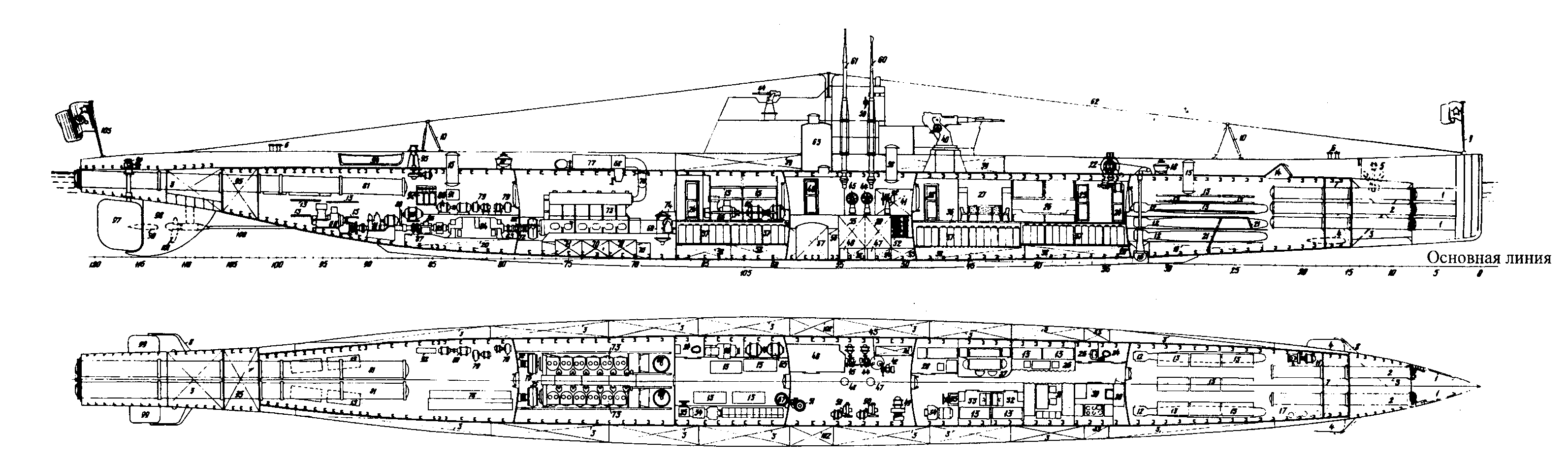
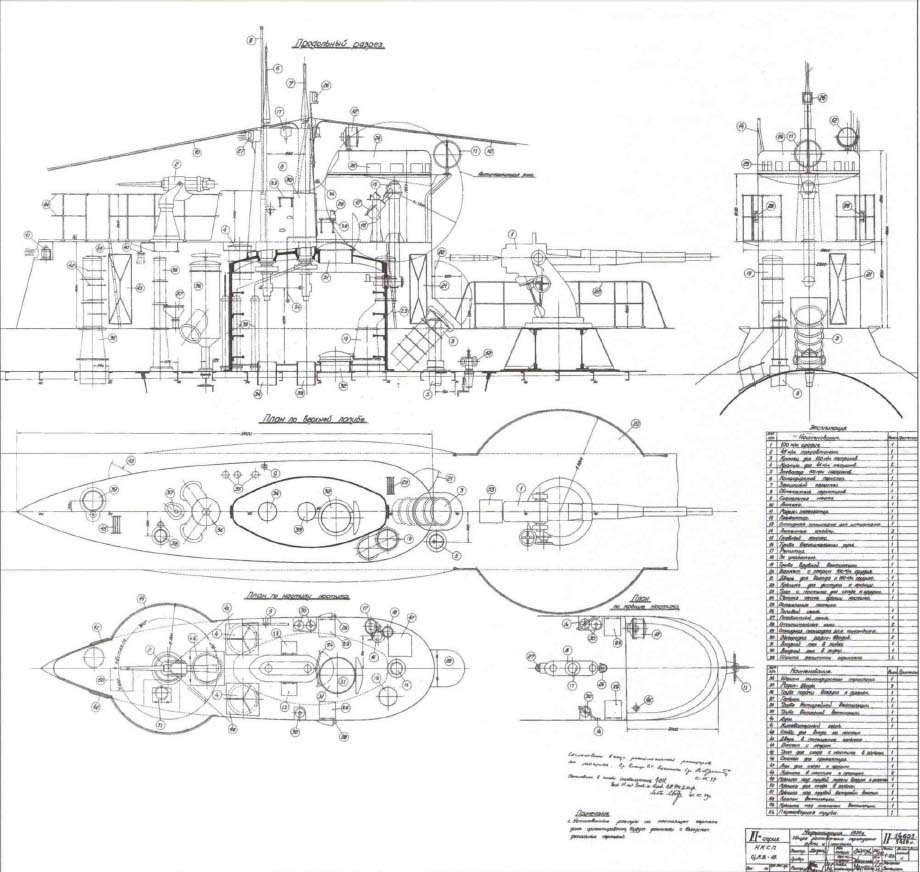
- Soviet diesel-electric submarine-minelayer, L-class Series II
- Length: 78 meters
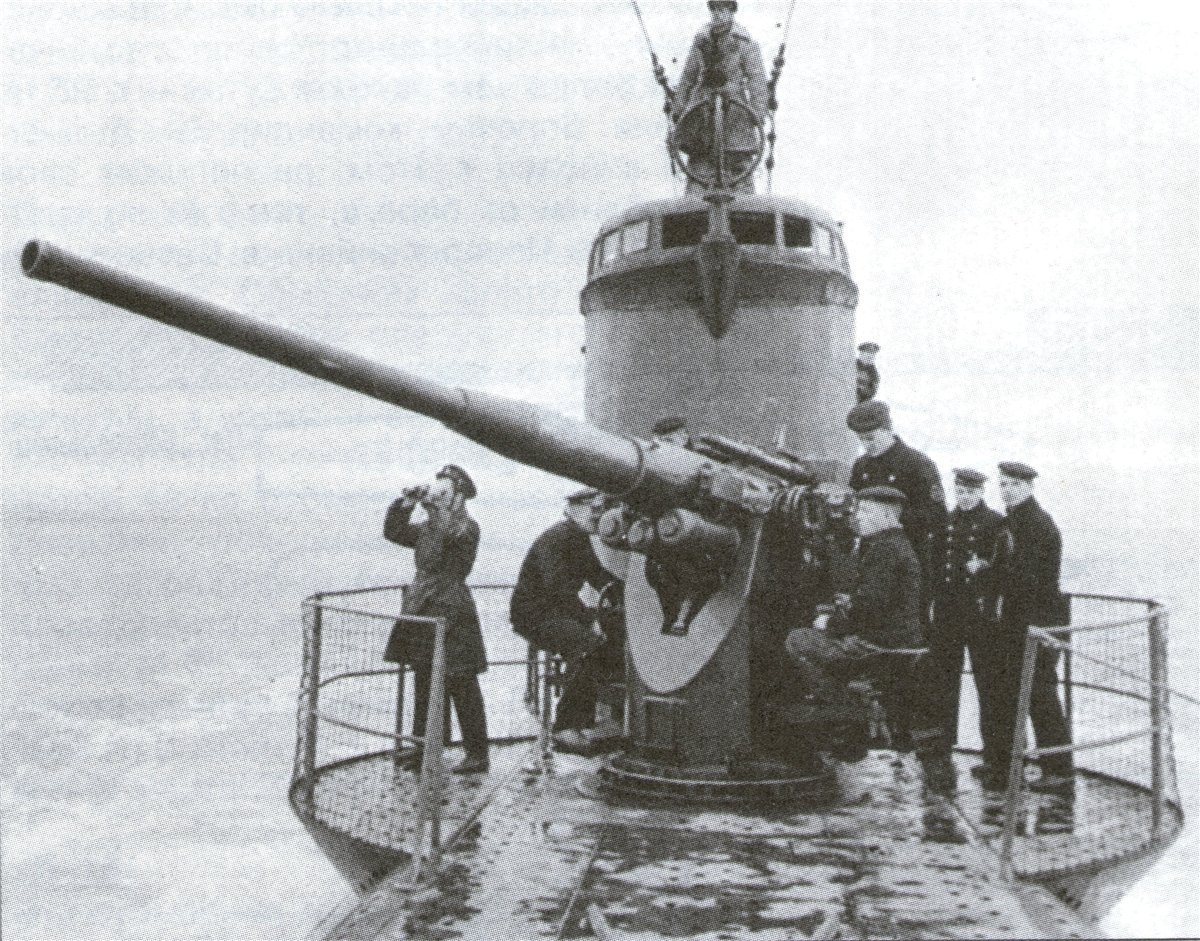
- Armament: one 100mm B-24PL gun, one 45mm 21-K gun, 6 bow torpedo tubes, 12 torpedoes, 20 PLT mines
- Crew: 54 men
- Lost without a trace November 14–15, 1941
- First discovered by Estonian hydrographic service in 2010
- Identified by Finnish team Divers of the Dark and a member of our team in 2012
- Depth: 87 m
Historical Background
On June 22, 1941, the submarine L-2 “Stalinets” was under command of Captain-Lieutenant Alexander Chebanov, assigned to the 14th Training Submarine Division. The boat was in repair at Factory No. 196, 83% complete by July 1.
On November 13, 1941, L-2 departed Kronstadt fully loaded with mines for the Bay of Danzig, sailing as part of the 4th Hanko convoy. During the night of November 13–14, near Keri Island, the ships entered a dense minefield (barrage D-46). At 1:07 AM, L-2 struck a mine with her stern and lost power but remained afloat. Twenty minutes later, she struck a second mine.
Minesweeper T-217, sent to evacuate the crew, failed to do so and departed, believing the boat abandoned. Only three men escaped to the drifting destroyer Surovy. Finnish records show the submarine was spotted drifting on November 14 and fired anti-aircraft guns at a reconnaissance plane. By November 15 she could no longer be found — she likely struck a third mine and sank with all hands.
50 sailors perished. Among them was the famous maritime poet Alexei Lebedev, the navigator of L-2. One of his last poems, written in autumn 1941, captures the mood before departure — a farewell to his beloved in Kronstadt, reflecting on the sea as both calling and grave.
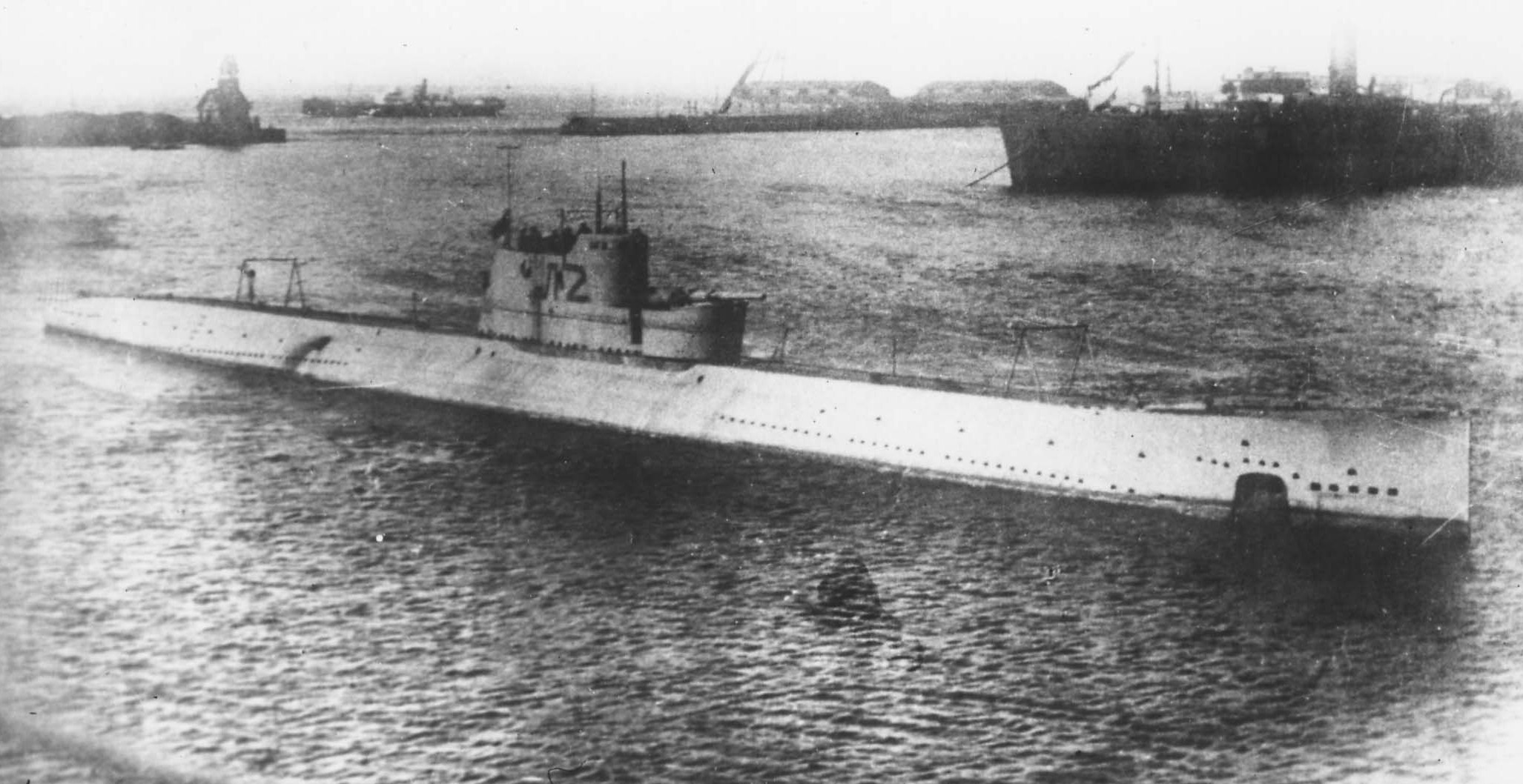
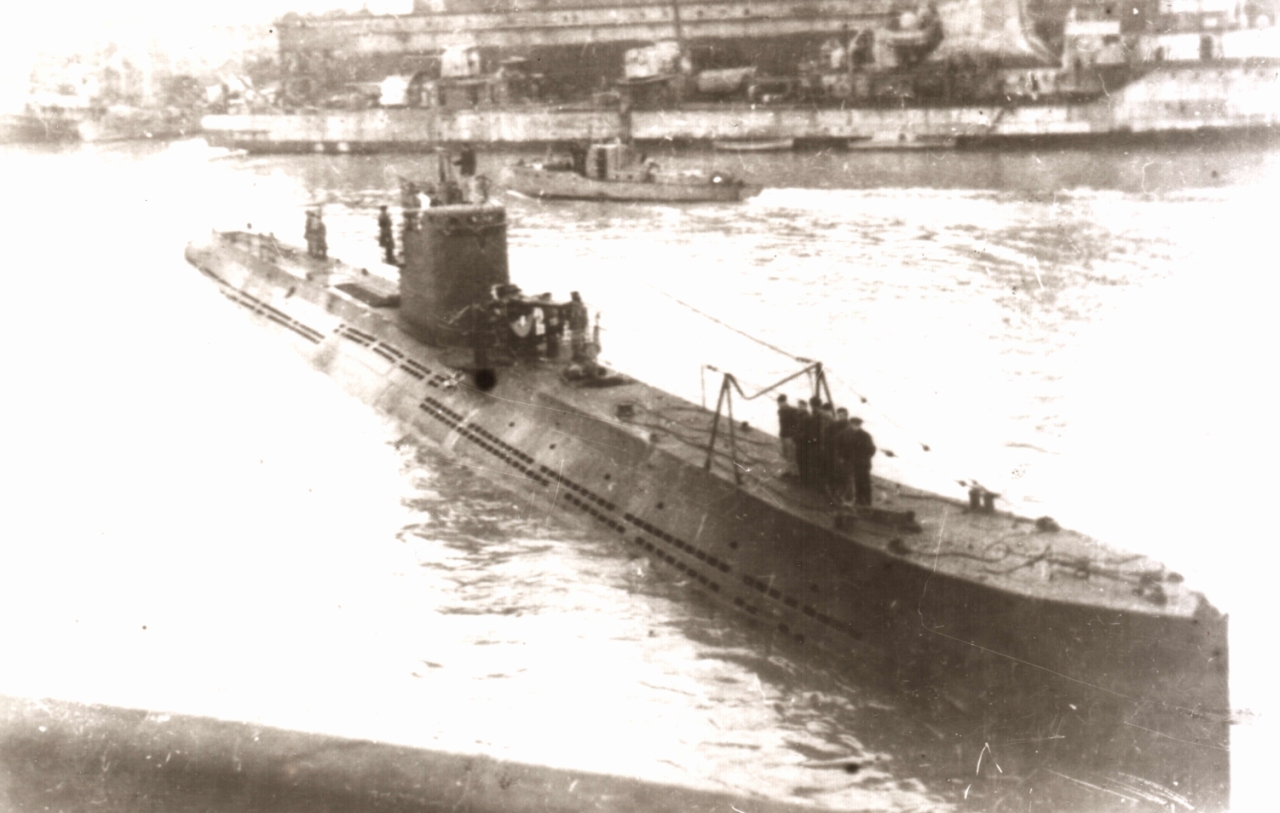
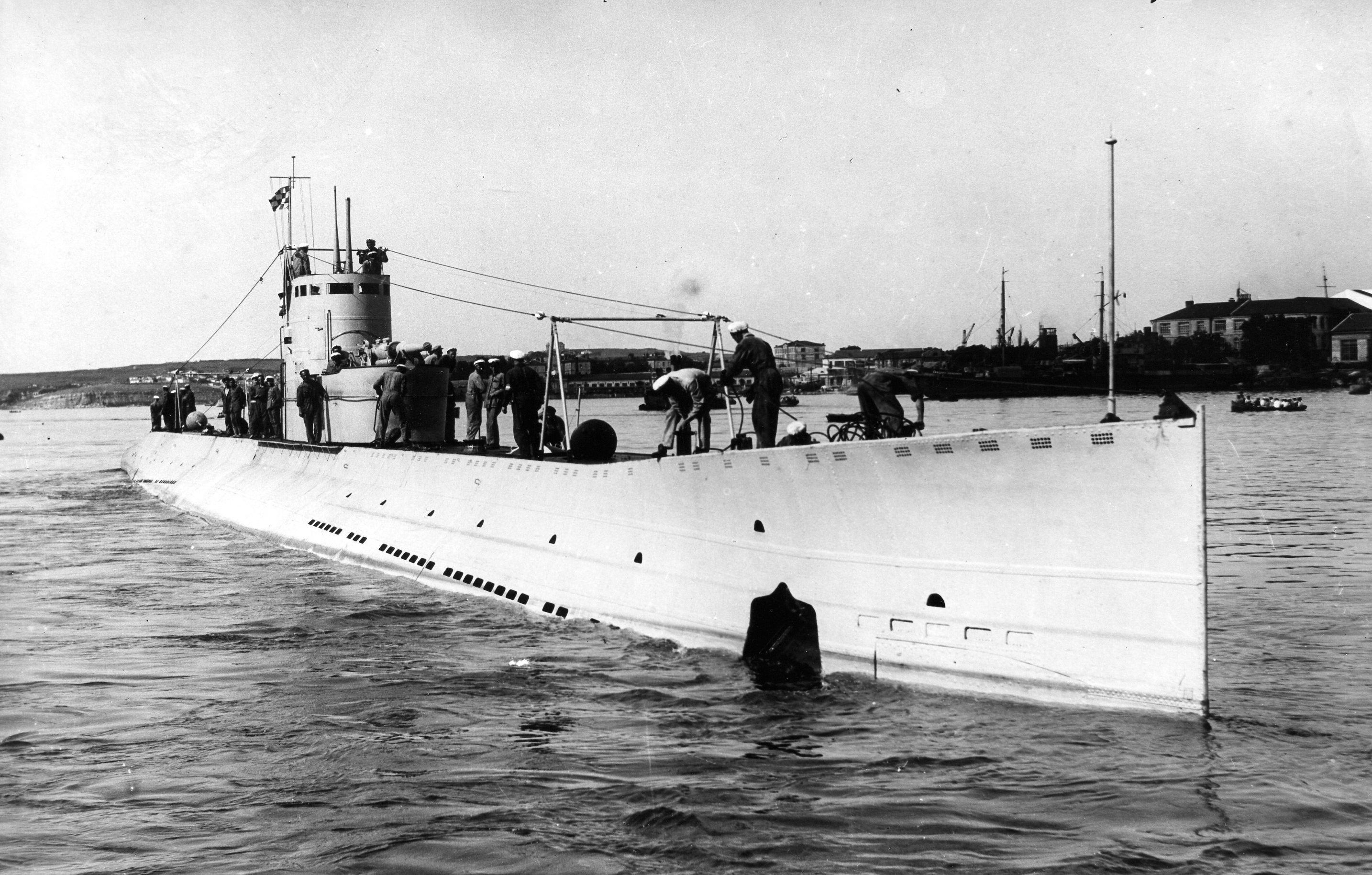
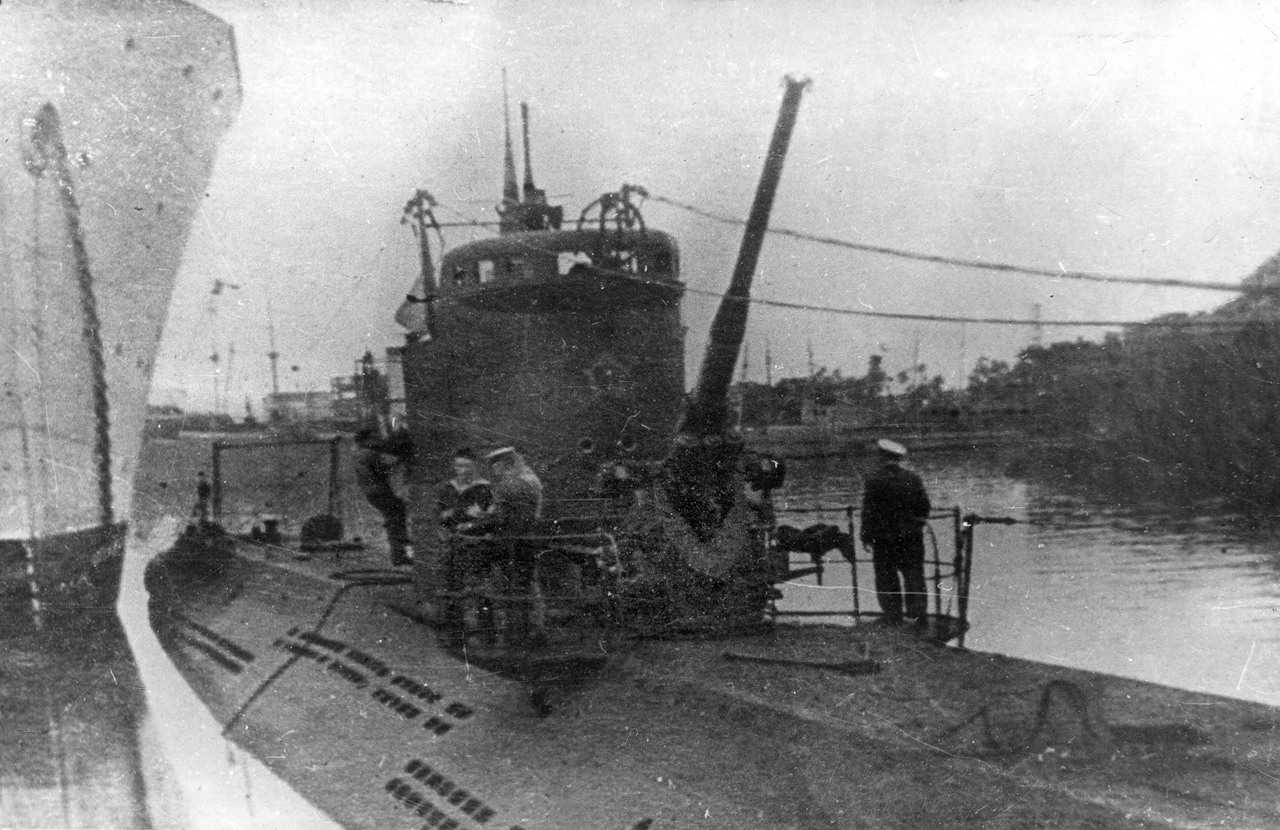
Historical Photos of L-2
L-2 Commander Chebanov A.P.

Maritime Poet, Navigator Lebedev A.A.

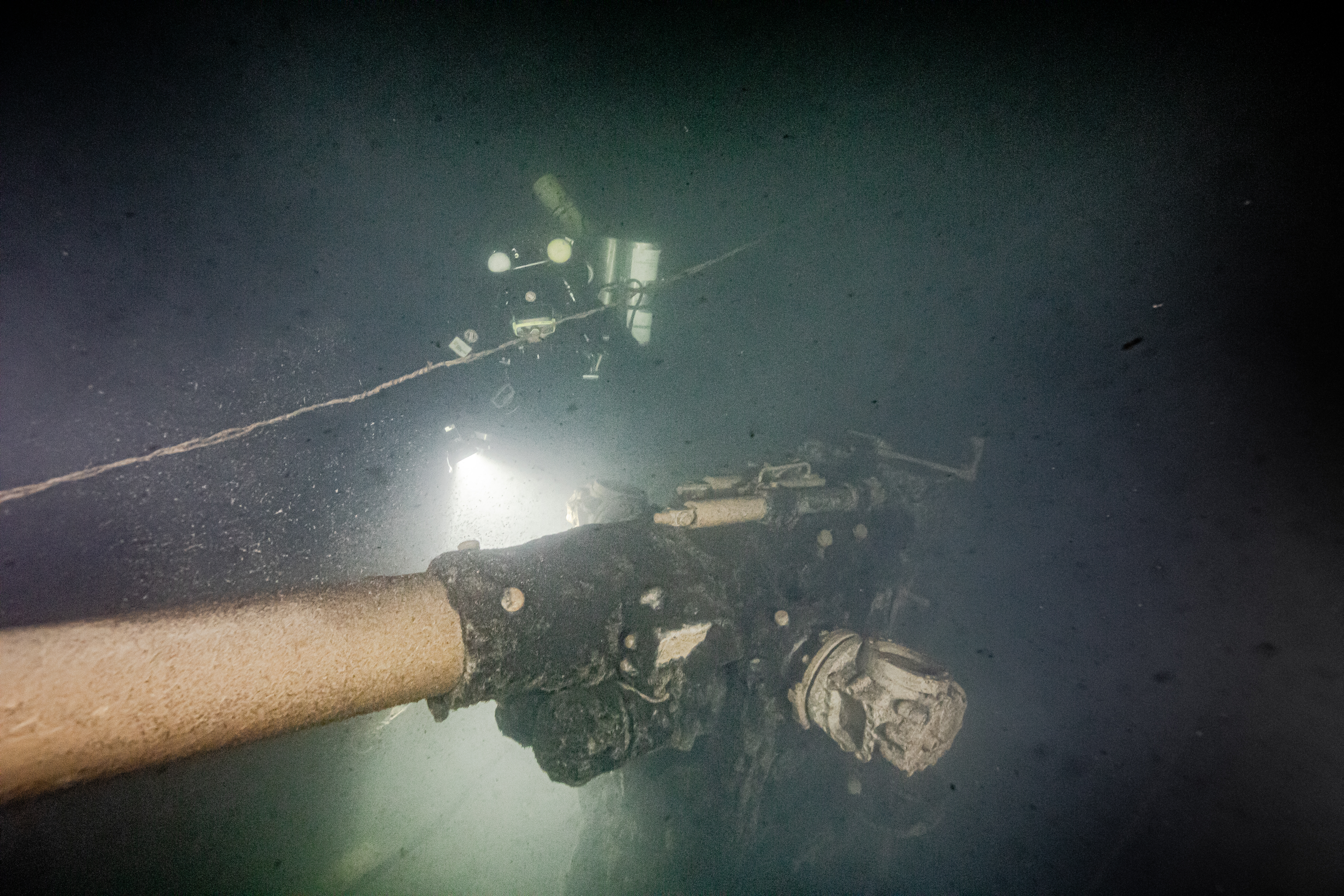
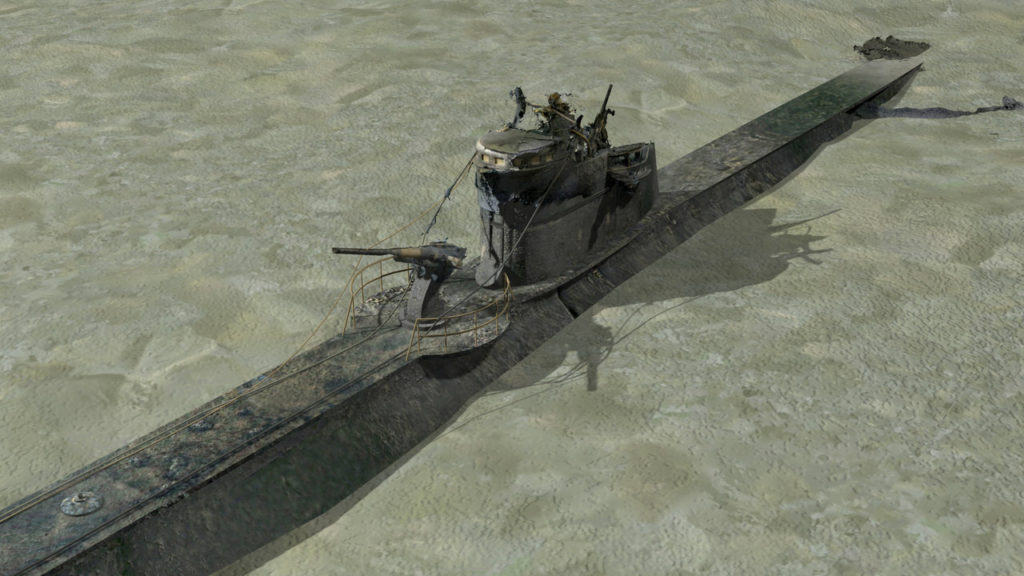
Survey of Submarine L-2
The hull was discovered and preliminarily identified as Shch-301 in 2010. In 2012, divers from Finnish team Divers of the Dark and our team identified it as L-2.
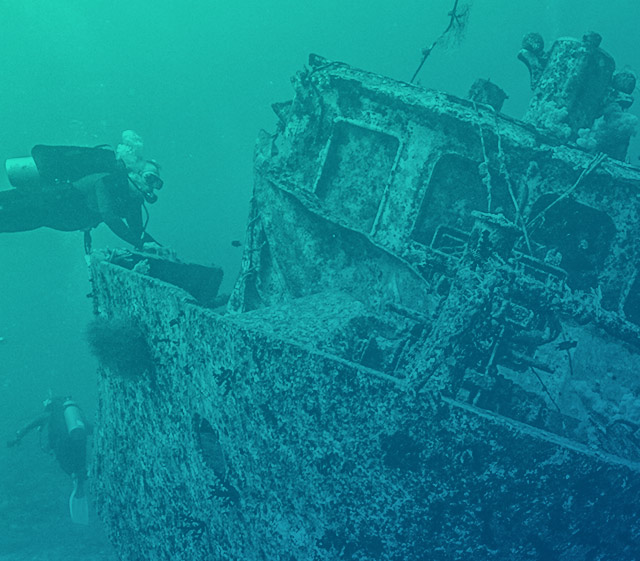
In May and August 2019, joint Russian-Finnish dives surveyed the wreck in Estonian waters north of Cape Juminda.
Dive conditions: depth 87 m, clay and silt, +3°C, visibility 1–2 m.
The submarine lies heading south, without list, stern-down — the bow rises above the seabed while the stern has sunk 15–20 meters into sediment. The visible hull is intact; mine damage is buried below the seabed. The conning tower hatch is closed.