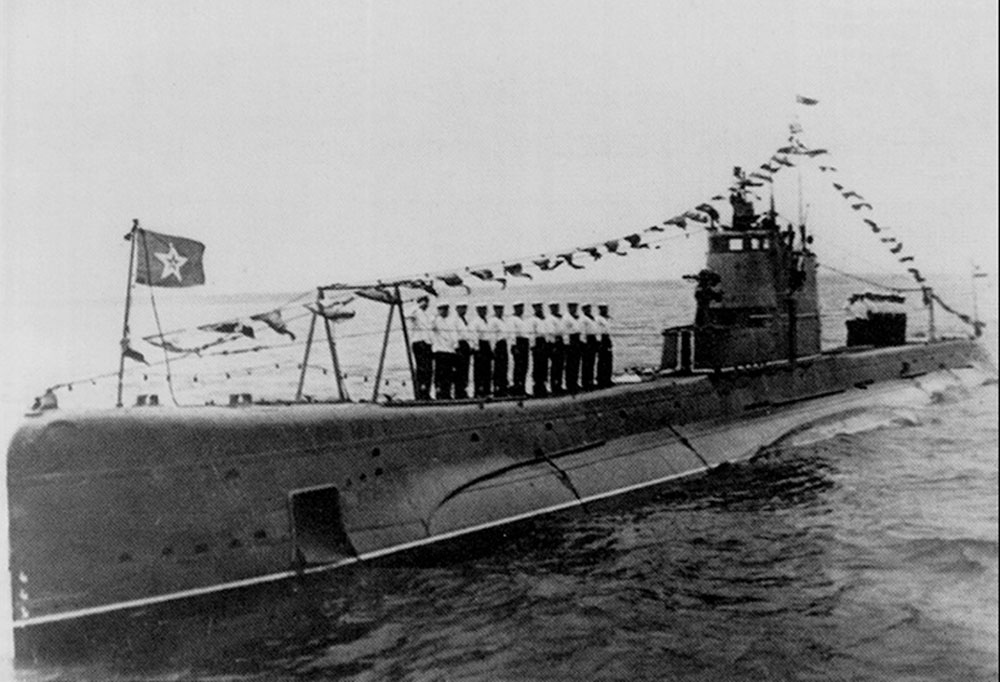
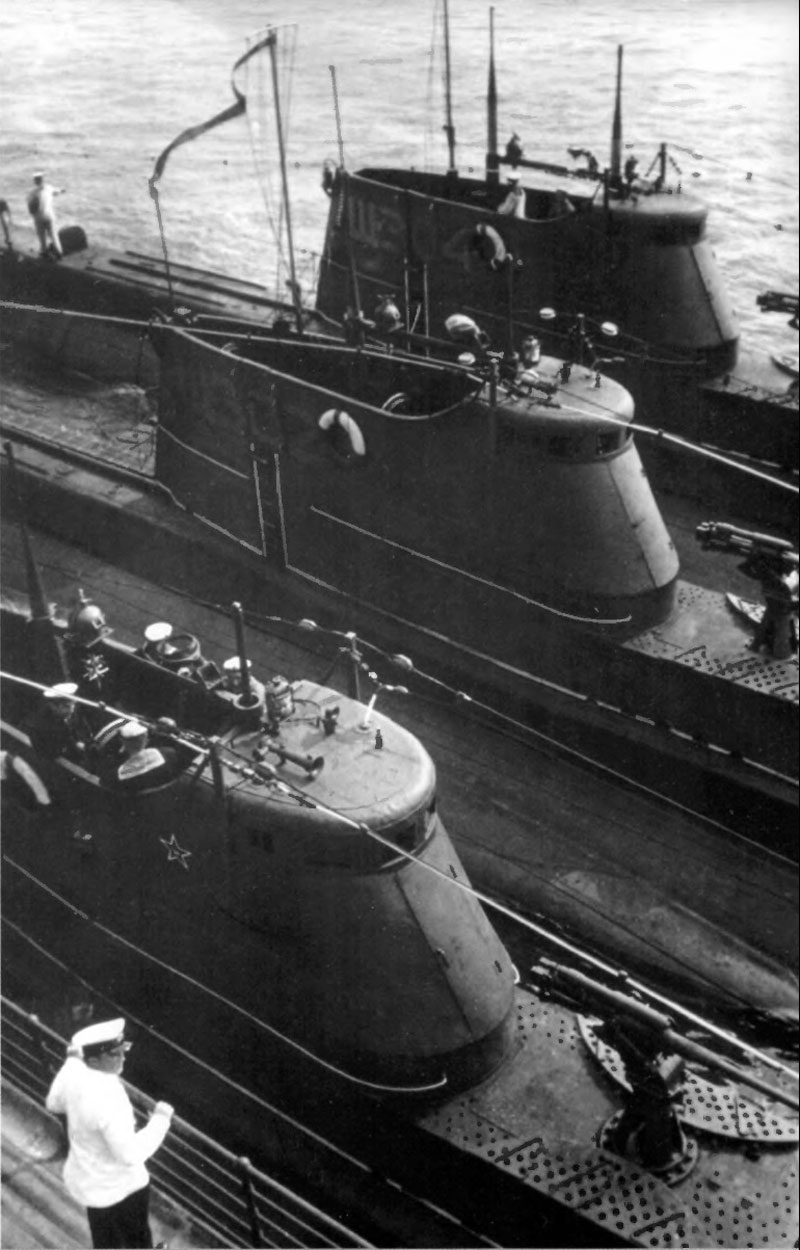
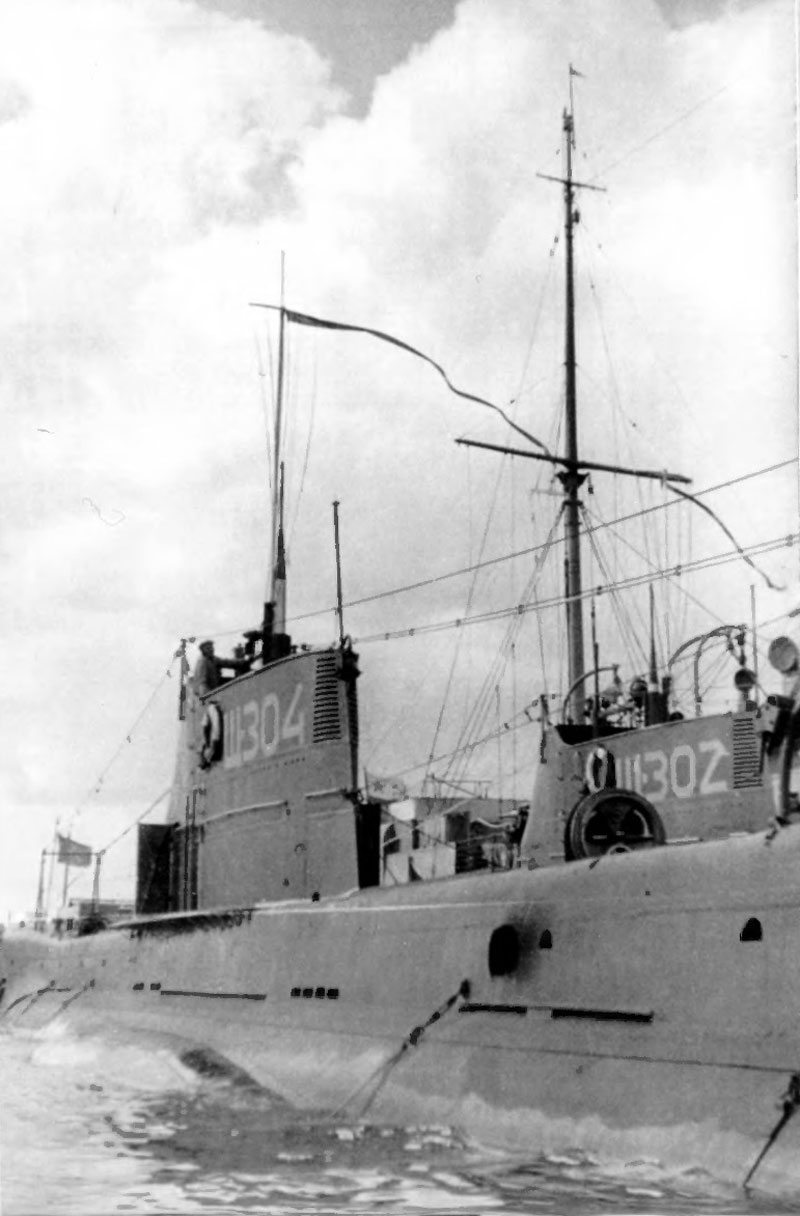
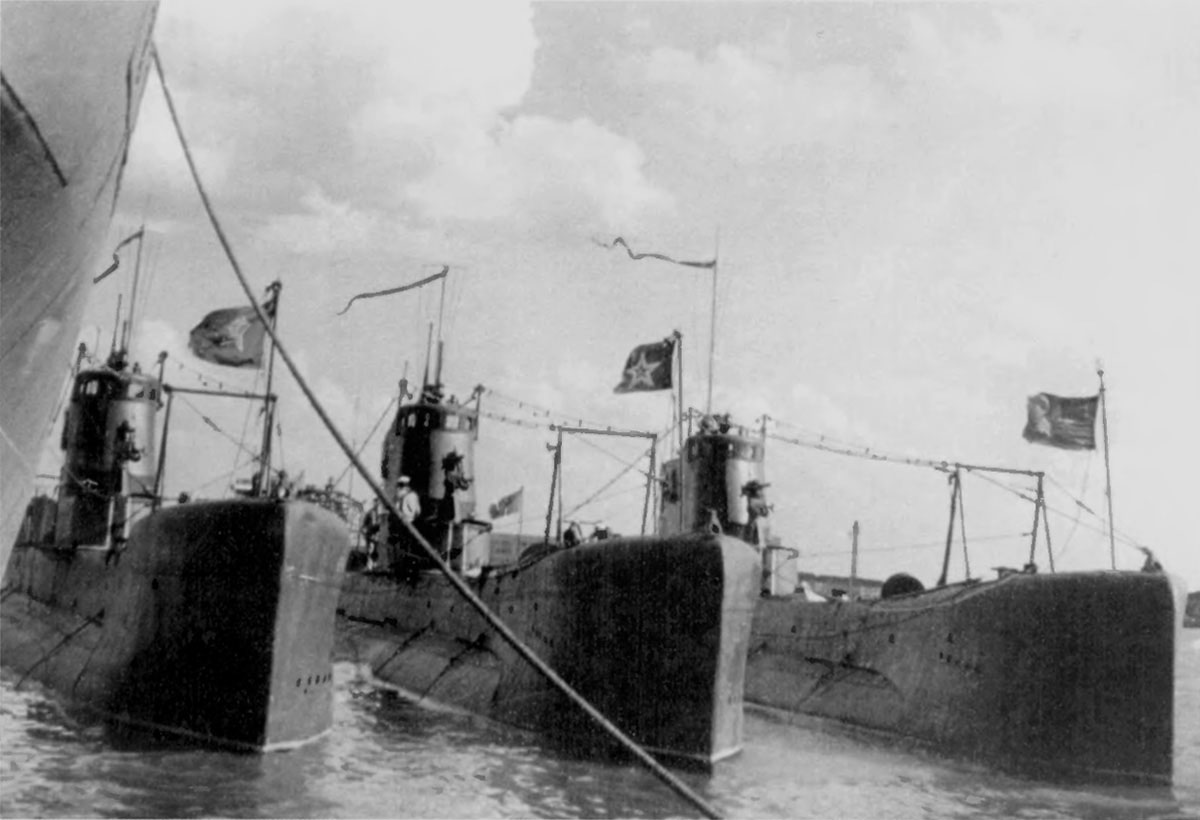
Sch-302 Submarine
Technical Data
- Soviet Shchuka-class diesel-electric submarine, Series III — one of the very first “Pikes”
- Length: 57 meters
- Armament: one 45mm gun, 6 torpedo tubes (4 bow, 2 stern), 10 torpedoes
- Crew: 37 men
- Lost without a trace October 11–13, 1942
- Discovered and identified by our team on May 3, 2019
- Depth: 67 m
Ship History
At the start of the war, Shch-302 “Okun” (Perch) was part of the Training Submarine Division of the Baltic Fleet at Kronstadt, undergoing post-repair trials. She did not enter active service in 1941, and nearly her entire crew went to fight on land. Command was assumed by Captain-Lieutenant V.D. Nechkin, former commander of M-103. Shch-302 was used for experiments and testing innovations. On September 13, 1942, she was the first submarine to undergo a coilless demagnetization procedure. On September 22, a German air raid left the submarine with shrapnel holes in the pressure hull.

On October 10, Shch-302 departed on her first combat patrol. She was escorted to Lavensaari Island by Shch-311, the gunboat Moskva, and minesweepers. Due to bad weather, the escort took shelter in Norre-Kappellakht Bay, but Shch-302, having missed the signals, continued on to sea. Between October 11–13, 1942, the submarine struck a German mine.
On October 14, a Finnish reconnaissance aircraft north of Bolshoy Tyuters Island discovered and depth-charged a large oil slick. This was likely the trace of Okun, as no other submarines were in the area at the time. All 37 crew members perished with the submarine.
Discovery and Cause of Sinking
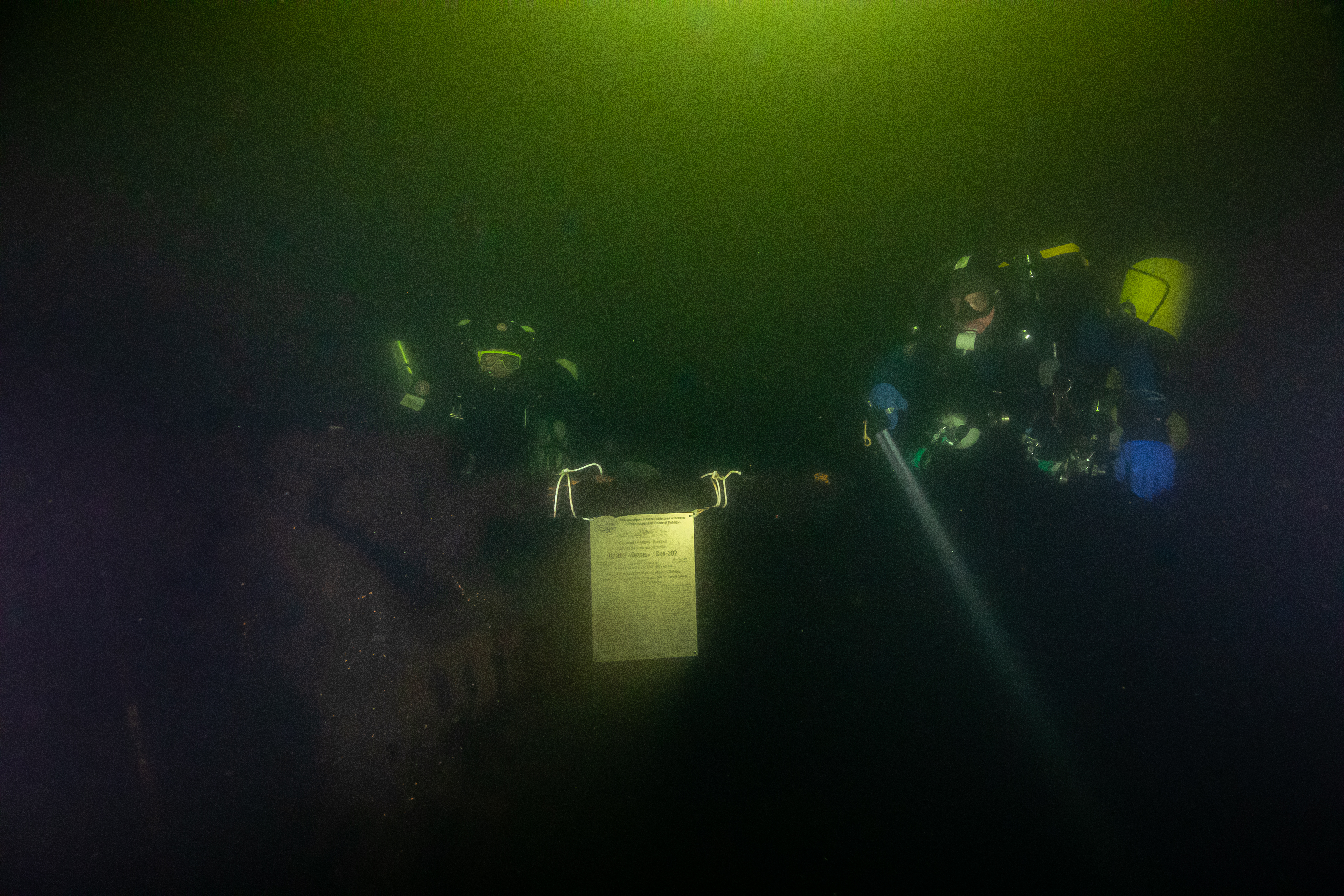
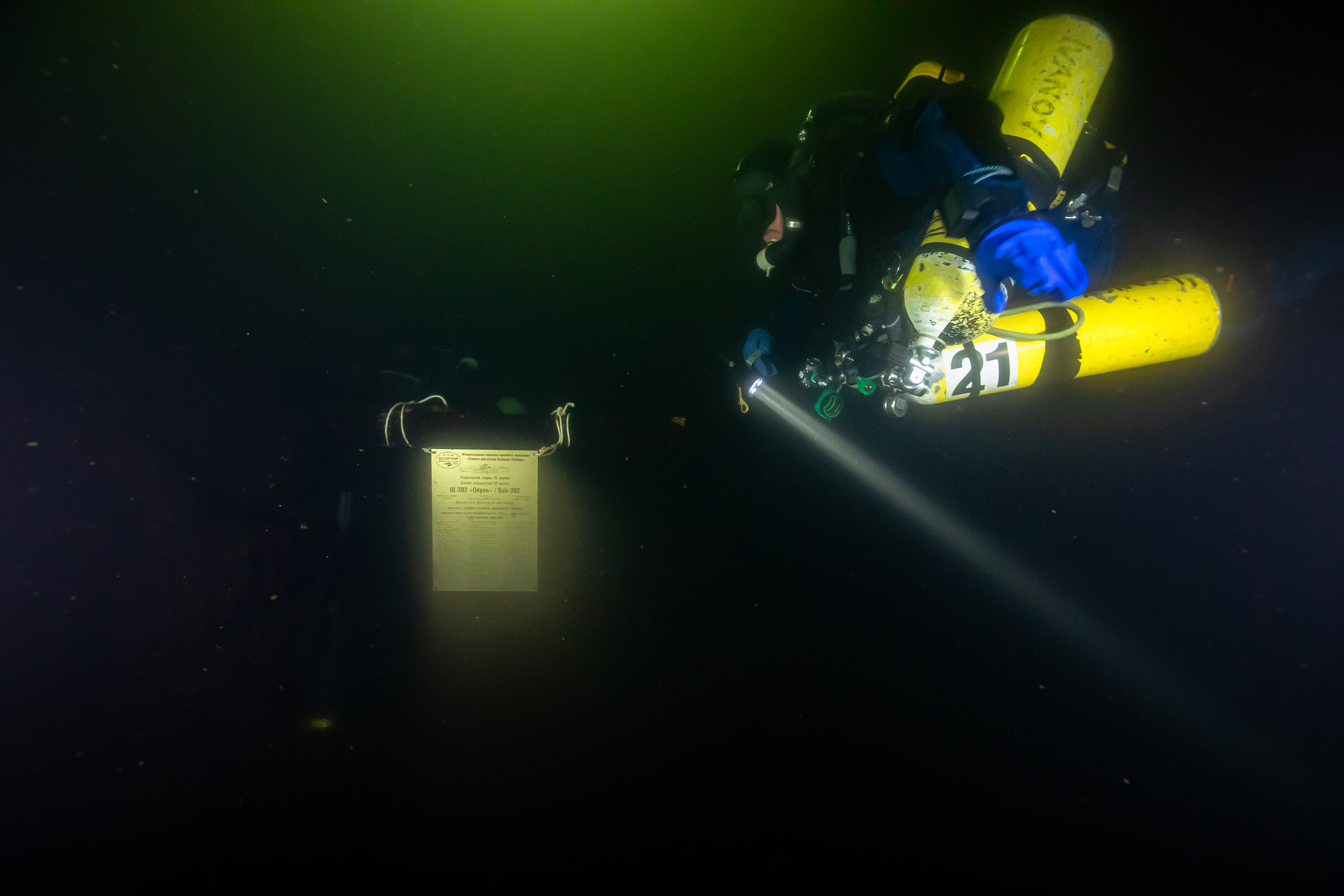
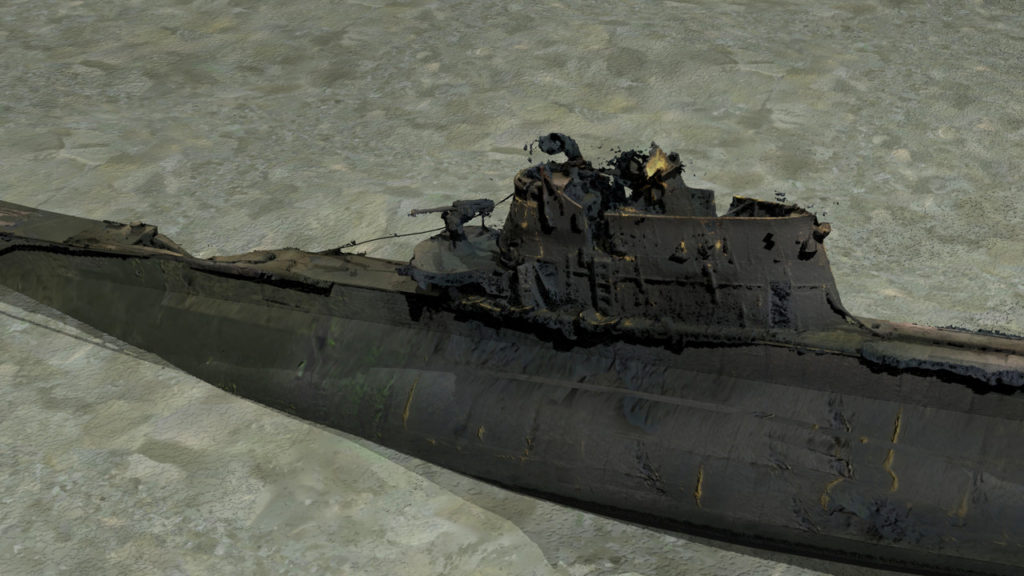
For many years it was believed that Shch-302 had been lost after hitting a mine from the Seeigel, Nashorn, or Juminda barrages between October 11–13, 1942 — until May 5, 2019, when the submarine’s wreck was found on the seabed.
The submarine was discovered near Bolshoy Tyuters Island during the expedition “Tribute to the Ships of the Great Victory.” The cause of sinking on October 11, 1942 was a UMA mine from the Seeigel-22 barrage, which detonated near compartments II–III while the submarine was at periscope depth heading west.
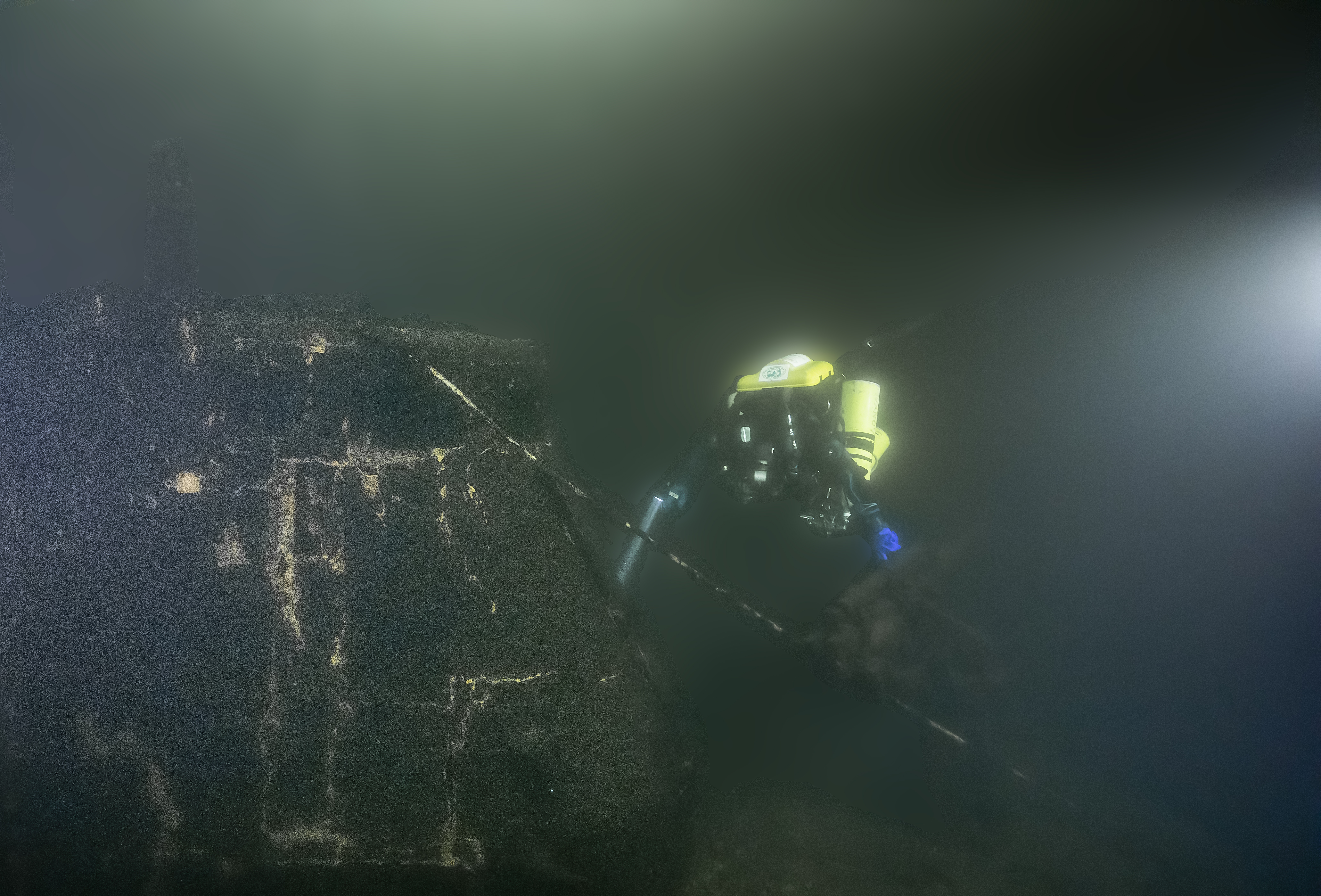
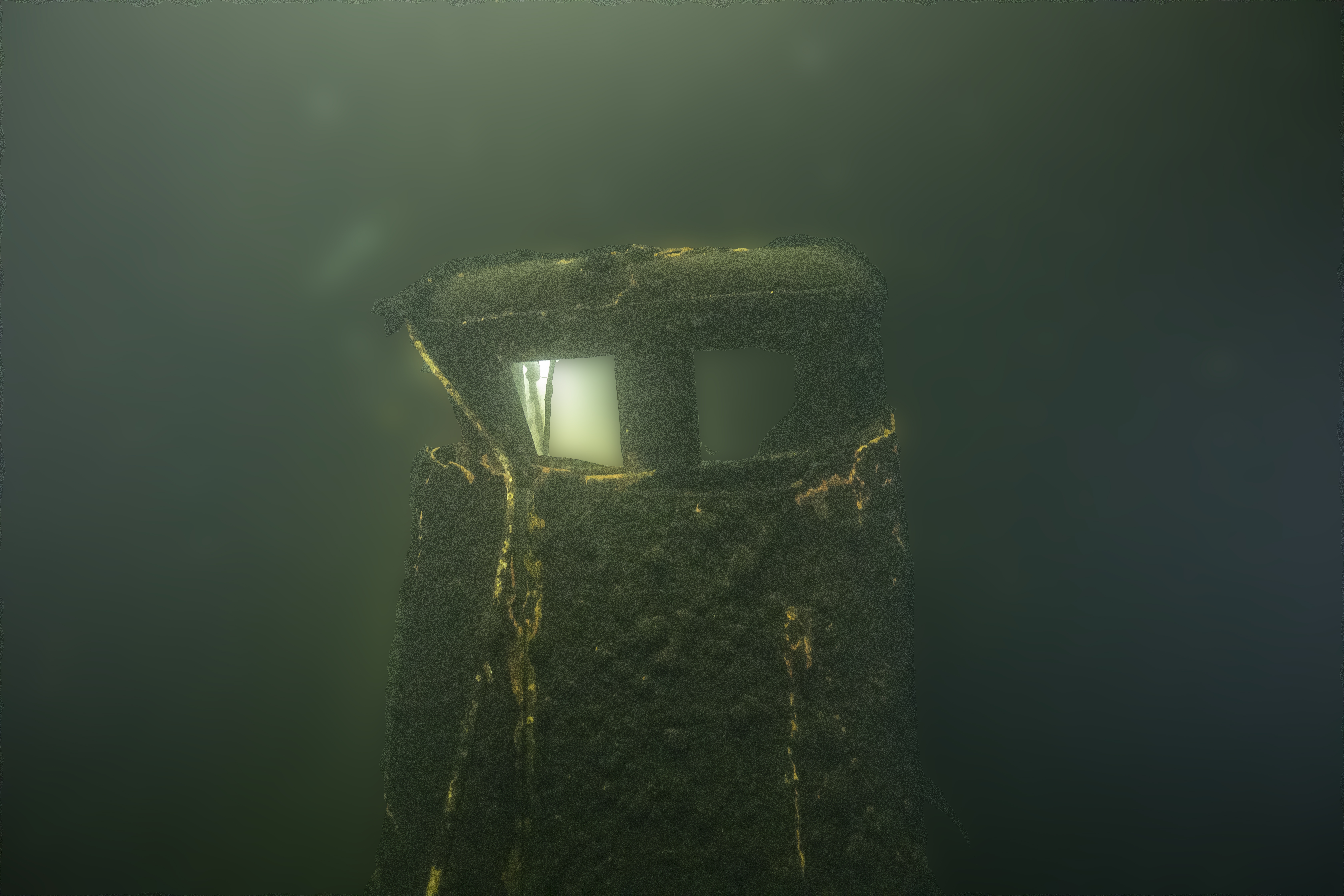
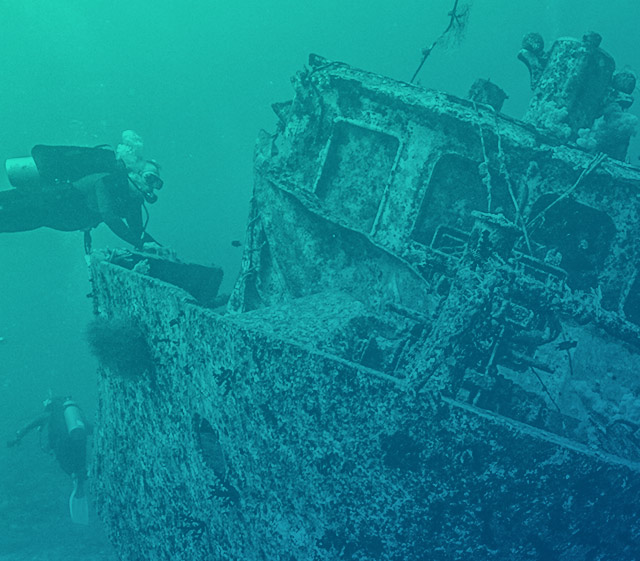
The explosion destroyed the fuel-ballast tanks. The submarine took a severe bow-down trim and lost buoyancy, driving nose-first into the seabed at an angle of about 20 degrees. The survey showed the hull resting at 67 meters — the bow is buried in silt, while the stern rises 4–5 meters above the seabed. It appears that some of the crew in the aft compartments survived the initial explosion and attempted to abandon the submarine through the diesel air intake shaft (the hatch cover is open), but were unable to do so.