



















Подводная лодка M-96

M-96 - единственная потерянная подлодка на Балтике в 1944 году. Поиск "девяносто шестой" в районе минного заграждения "Зееигель" занял у нас больше трех лет. По факту выяснилось, что "малютка" смогла пройти эти минные поля...
Транспорт “Аусма”

Еще одна жертва Таллинского прорыва. Погибла днем 29 августа 1941 года от бомбардировки немецкими самолетами в прямой видимости о. Гогланд. Основная часть экипажа смогла покинуть судно.
Сторожевой корабль “Циклон”

СКР Циклон - одна из жертв Таллинского прорыва. После подрыва и гибели тр "Балхаш", "Циклон" вошел в поле обломков, пытаясь спасти людей из воды. Взрыв мины из той же минной линии разорвал корабль пополам, обломки затонули практически моментально и теперь лежат на глубине 96 м.
Ледокол “Кришьянис Валдемарс”
Ледокол «Кришьянис Валдемарс» лежит на глубине около 90 метров, глубоко зарывшись носом в ил, осмотру доступна характерная корма судна, имеющая уникальные для «Кришьяниса Валдемарса» конструктивные особенности.
Транспорт “Найссар”
Транспорт «Найссаар» должен был принять на борт 1500 человек из состава стрелковых частей защищавших Таллинн. Сколько было принято на борт людей и какие грузы, доподлинно неизвестно. Во время Таллинского прорыва транспорт подорвался на той же минной линии около полуострова Юминда, что и тр. Балхаш. Найден и идентифицирован в июле 2021.
Транспорт “Эверита”
На транспорте «Эверита» эвакуировался гарнизон острова Найссаар во время Таллинской эвакуации. Транспорт подорвался на мине в районе мыса Юминда, и практически мгновенно затонул. Погибло порядка 1500 человек.
Транспорт “Балхаш”
Погиб одним из первых транспортов на минных заграждениях около мыса Юминды. Вместе с транспортом погибло порядка 4000 человек - гарнизон города Палдиски и их семьи. Идентифицирован в августе 2021 года.
Транспорт “Атис Кронвальдс”
Латвийский пароход немецкой постройки 1900 года. В Таллине принял на борт 800 человек, в основном гражданских, а также имущество и оборудование Таллинского Военного порта. Вечером 29 августа погиб от ударов немецкой авиации. В воде оказалось около 800 человек. Обнаружен и идентифицирован в июне 2021 году.
Транспорт “Ярвамаа”
Эстонский пароход английской постройки, 1894 года. В Таллине принял на борт около 800 человек, в основном военных моряков из штабов КБФ и Бригады торпедных катеров, а также флотское имущество и вооружение со складов в Таллине. 29 августа тяжело поврежден бомбовыми ударами, горел всю ночь и затонул 30 августа. Обнаружен и идентифицирован в июне 2021 года.
Транспорт “Алев”
Погиб рядом с тр "Калпакс" 29 августа 1941 года, обнаружен и идентифицирован в июне 2021. Рядом с кораблем лежит, по-видимому, упавшая с палубы легковая автомашина.
Транспорт “Калпакс”
«Калпакс» затонул 29 августа 1941 года в 16 час. 46 мин, после попадания трех авиабомб. Сохранились донесения капитана и старшего помощника, которые подробно описывают героическую и трагическую гибель «Калпакса». Вместе с транспортом погибли порядка 1,5 тыс человек.
Немецкие охотники за подводными лодками (U-Bootjäger)

Четыре немецких охотников за подводными лодками из 12-й флотилии, отвечавшие за охрану минного заграждения "Зееигель". Погибли в разные времена при разных обстоятельствах, обнаружены нашей командой в процессе поиска подлодки М-96.
L-2 submarine

L-2 submarine sunk after she hit the mines near Juminda peninsula in 1941. All crew, including famous poet, navigating officer of L-2 Alexander Lebedev, died with the ship.
Sch-302 submarine

Sch-302 was the one of four three subs of "Pike"-class Soviet WWII subs. She disappeared without a trace in her first war patrol in 1942. Submarine wreck was discovered only in 2019.
Эсминец “Калинин” (“Прямислав”)

«Калинин» (до 5 февраля 1925 года «Прямислав») - эскадренный миноносец типа «Изяслав», принадлежащий второй серии эскадренных миноносцев типа «Новик». Погиб во время Таллинского прорыва, обнаружен командой в 2018 г.
Эсминец “Новик” (“Яков Свердлов”)

Эскадренный миноносец, герой Первой Мировой Войны, главное действующее лицо романа Пикуля "Моонзунд". Эсминец "Новик" погиб в 1941 году на мине во время Таллинского прорыва, под именем "Яков Свердлов".
Sch-308 submarine

Sch-308, the "Pike"-class Soviet WWII sub took part in two war patrols and disappeared without a trace in 1942. The submarine wreck was found by our team in 2018. Russian president Mr Putin has visited the Wargrave in 2019 while taking part in the memorial ceremony.
Sch-405 submarine
Sch-405 was the unluckiest of the Soviet Baltic fleet subs of WWII times. She survived two commanders, and the third one died with the submarine. She managed to take part in one war patrol, nearly survived and sunk on her way to the second one by Nazi mine in Soviet-controlled waters.
“Kalinin” destroyer (formerly “Pryamislav”)

Destroyer "Kalinin" was sunk during Soviet fleet evacuation from Tallinn on August 28, 1941, soon after she hit a German mine on Juminda minefield in Gulf of Finland.
S-12 submarine

S-12 Soviet WWII submarine was one of five subs sent with order to break thru the German minefields, crossing the Gulf of Finland in 1943. She struck the mine and was torn apart by the explosion. Submarine wreck is laying at 87 meters depth.
Sch-317 submarine

This WWII-era Soviet Shchuka-class submarine is probably our most unexpected find of 2017, from a historical perspective.
Sch-406 submarine

Sch-406 was one of the most famous WWII-era Soviet Shchuka-class submarines, commanded by Hero of the Soviet Union E.Y. Osipov. She was lost without a trace in the Gulf of Finland in the spring of 1943. Our team found and identified Shch-406 on 2 May 2017.
Sch-320 submarine

Shch-320 was a WWII-era Soviet diesel-electric X series submarine, commanded by Ivan Makarovich Vishnevsky. She was lost without a trace during a combat patrol mission in the Gulf of Finland in October 1942. Our team found and identified Shch-320 on 1 May 2017.
Sch-408 submarine
Probably one of the most tragic tales of the Baltic submarine fleet. Sch-408 "Baltic Varyag" was forced to engage in an artillery battle with three German ships and submerged without lowering its flag.
Sch-324 submarine
This legendary Shchuka-class submarine – a veteran of the Finnish war – embarked on a unique 30-mile passage under the frozen Gulf of Finland with no navigational references, and was later sunk during its first WWII combat patrol.
M-95 submarine
The Malyutkas were one of the most numerous classes of WWII-era Soviet submarines. The M-95's crew fought to save their sub for two days and only attempted to abandon ship after exhausting every opportunity for survival...
Vaindloo freighter
One of the many victims of the so-called "Russian Dunkirk" – the Soviet evacuation of Tallinn. A huge number of ships in several waves broke through the minefields, aviation attacks and artillery fire at Kronstadt. Many of them did not make it, leaving the route from Tallinn to Kronstadt strewn with sunken ships, many of which have yet to be found.
XIX-century tall ships
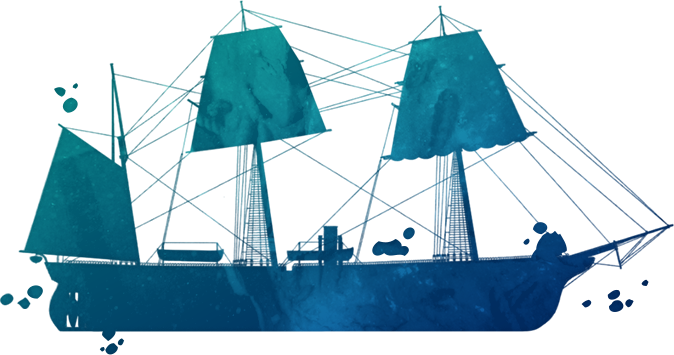
The Gulf of Finland is the cradle of northern civilizations. Trade and sea traffic have existed there from time immemorial. The old trade routes are strewn with a huge number of sunken tall ships of all eras, nationalities and sizes. Most of them are in excellent condition: they are hard to access, but the cold waters of the Gulf of Finland keep the wood perfectly preserved. Artifacts can be found on almost every wreck: dishes, bells, personal belongings of crewmembers, anchors, helms, and remains of cargo. Among ourselves, we call these ships "Scanias" because they served as the long-haul trucks of their time.
MKT T-387 minesweeper

This Soviet naval minesweeper, which sank in 1944 after being hit by a torpedo from a German U-boat, was quite a puzzler. The extensive damage made it rather difficult for us to identify it and uncover its history.
Pallada armored cruiser
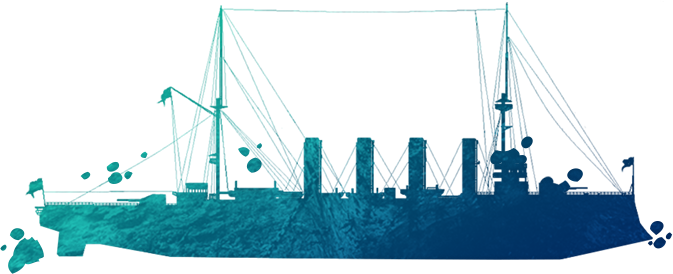
This giant armored cruiser with a crew of 550 tragically sank within minutes of a submarine attack, marking Russia's entry into WWI in the Baltic region.
Akula submarine
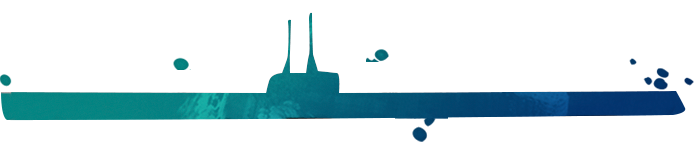
The legendary Akula submarine – the forbearer of the Russian submarine fleet – was lost without a trace more than 100 years ago, but has now been found.
T-18 torpedoboot
The German T-18 torpedoboot sank as a result of a skip-bombing attack by Soviet bombers near the Finnish port of Hanko. The ship's hull is broken into two parts that stand on the seafloor almost vertically, in a V shape. This was the only successful skip-bombing attack conducted by the Soviet Air Force in the Baltic theater. Our team found and identified the ship on 16 June 2014.
Vzryv and Provodnik minesweepers
WWI showed all of the world's governments that the rules of war at sea had completely changed. Mines, torpedoes, submarines, steamships and long-range artillery forced all naval powers to reconsider their shipbuilding plans. The need for a special class of ships appeared: minesweepers. This is the story of the Russian Imperial Fleet's very first minesweepers.
S-9 submarine
This S-class Soviet submarine was one of five that tried to break out of the Gulf of Finland in 1943. The sub's history is full of strange and surprising facts: she sank twice, was shelled and torpedoed, but remained in service until the very end.
Lefort – Russian wooden battleship
The last real wooden battleship of the Russian Imperial Fleet. This giant was considered unsinkable but went down in minutes, taking over 800 souls with her. This was the largest peacetime sea tragedy before the sinking of the Titanic and Estonia ferry. The event inspired Ivan Aivazovsky to create one of his best-known paintings, the Sinking of the Lefort. The nearly forgotten ship was found 150 years after the tragedy.
P-1 “Pravda” submarine

The Pravda submarine's developers envisioned a huge submarine, the size of a destroyer, surfacing among enemy ships and taking part in an artillery battle. We will tell the story of the sole attempt to send a P-class submarine on a combat patrol.